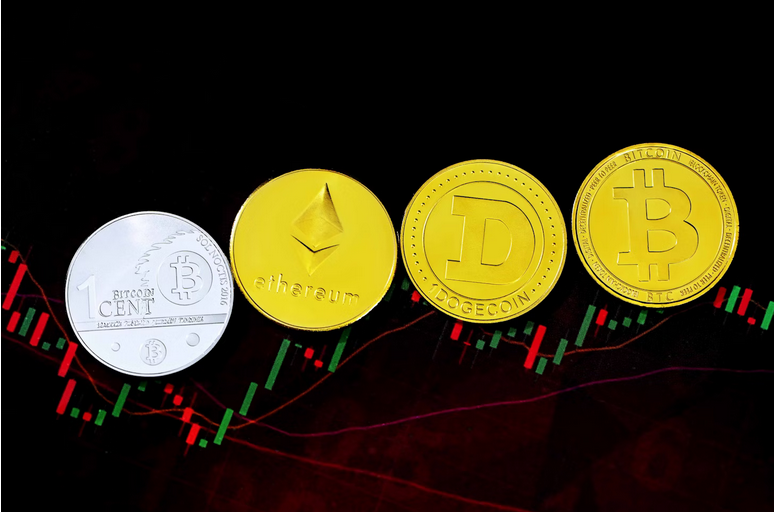
In the ever-expanding realm of digital currencies, the landscape of regulation is undergoing a transformative evolution. As cryptocurrencies and digital assets continue to gain prominence, governments and regulatory bodies around the world are grappling with the need to establish clear frameworks that balance innovation and consumer protection, not just on digital currency but on precious metals as well. For example, silver bars for sale have become a focal point in the broader conversation around regulation, especially in jurisdictions where precious metals are considered both an investment and a commodity. While the regulatory focus has traditionally centered on digital currencies, the inclusion of precious metals introduces additional complexities.
The Global Mosaic of Digital Currency Regulation
Across the globe, the approach to digital currency regulation is diverse and reflects the unique economic, cultural, and geopolitical contexts of each region. Others approach them cautiously, expressing concerns about potential risks such as money laundering, fraud, and market manipulation.
- Proactive Regulation: Countries like Switzerland, Singapore, and Japan have taken a proactive stance, implementing clear regulatory frameworks to foster the growth of the digital currency sector. These frameworks aim to strike a balance between encouraging innovation and safeguarding investors and consumers.
- Cautionary Approaches: On the flip side, some countries, including China and India, have taken a more cautious approach, imposing restrictions or outright bans on certain aspects of digital currency activities. Concerns about financial stability, consumer protection, and the potential use of digital currencies for illicit activities contribute to this caution.
- Adaptive Regulatory Environments: In the European Union and the United States, regulatory bodies are working to create adaptive frameworks that address the dynamic nature of digital currencies. These regions are actively engaging with stakeholders to understand the industry’s nuances and formulate regulations that provide clarity without stifling innovation.
Challenges in the Regulatory Landscape

The evolution of digital currency regulation is not without its challenges. The decentralized and borderless nature of cryptocurrencies poses unique obstacles for regulators. Some of the key challenges include:
- Lack of Uniformity: The absence of a uniform global regulatory standard leads to inconsistencies, making it challenging for businesses to operate seamlessly across borders. Harmonizing regulatory approaches is a complex task but crucial for fostering a global digital currency ecosystem.
- Emerging Technologies Outpacing Regulation: The rapid evolution of blockchain and digital currencies often outpaces the ability of regulators to adapt. Staying ahead of technological advancements while ensuring consumer protection is a delicate balancing act.
- Financial Inclusion vs. Security Concerns: Regulators face the delicate task of promoting financial inclusion through digital currencies while mitigating security concerns such as fraud, hacking, and money laundering. Striking this balance is essential for building trust in the digital currency ecosystem.
Advancements and Collaborative Initiatives
Amidst the challenges, notable advancements and collaborative initiatives are shaping the future of digital currency regulation:
- Regulatory Sandboxes: Many jurisdictions are establishing regulatory sandboxes that allow businesses to test innovative solutions within a controlled environment. This approach fosters experimentation while maintaining a level of regulatory oversight.
- International Cooperation: Recognizing the global nature of digital currencies, regulatory bodies are increasingly engaging in international cooperation. Forums and working groups facilitate the exchange of knowledge and best practices to develop more cohesive regulatory approaches.
- Consumer Education: Regulators are investing in public awareness campaigns and educational initiatives to empower consumers with the knowledge needed to navigate the digital currency landscape safely.
The evolution of digital currency regulation reflects the dynamic nature of the industry and the concerted efforts of global regulatory bodies to create frameworks that balance innovation and security. As the journey unfolds, stakeholders across the spectrum, from businesses to consumers, play a crucial role in shaping a regulatory landscape that fosters the responsible growth of digital currencies on a global scale.