

Payment Processing: From Cash to Cryptocurrency
Payment processing has evolved dramatically over time in the ever-changing environment of finance and technology. From the traditional use of cash to the introduction of digital payment methods, we are now witnessing the rise of cryptocurrency as a viable alternative. Tobacco Payment Processing is an intriguing stop along this historical trajectory. It provides a distinct viewpoint on the many and unexpected factors that have influenced the development of monetary transactions. In this essay, we will look at the intriguing path of payment processing. Here’s what you need to know.
Cash: The Foundation of Payments
For ages, cash has served as the principal medium of transaction. It gave a real and globally understood method of payment. However, it came with its limitations, including the risk of theft, inconvenience, and the need for physical currency management. As technology advanced, the need for a more efficient and secure payment system became evident.
The Rise of Digital Payments
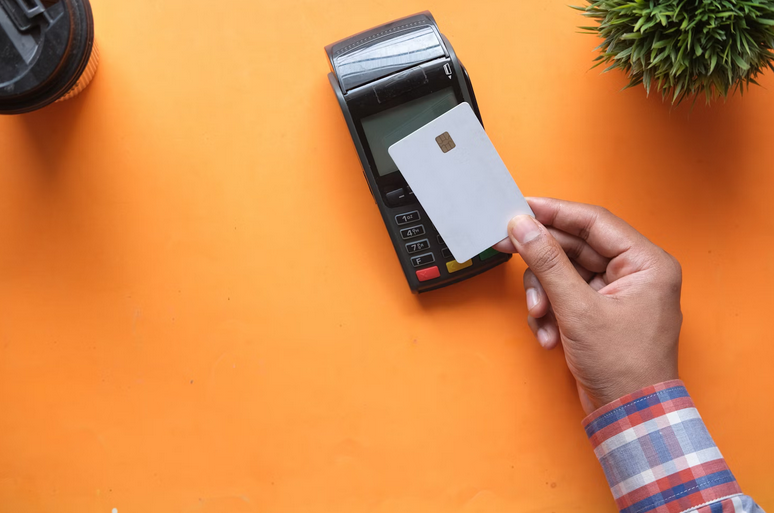
The advent of the internet brought new possibilities for payment processing. The introduction of credit cards, electronic fund transfers, and online payment gateways revolutionized the way people transact. Digital payments offer convenience, speed, and enhanced security. However, they relied on centralized systems, such as banks and payment processors, which led to higher fees, longer settlement times, and increased vulnerability to cyber threats.
Enter Cryptocurrency: A Game Changer
Cryptocurrency, with Bitcoin leading the way, emerged as a groundbreaking innovation in payment processing. Built on decentralized blockchain technology, cryptocurrencies offer a peer-to-peer payment system that eliminates the need for intermediaries. This ensures faster transactions, reduced costs, and increased transparency.
Advantages of Cryptocurrency Payments

Cryptocurrencies use powerful cryptography algorithms to safeguard transactions. This removes the possibility of fraud or counterfeiting. Cryptocurrencies transcend geographical boundaries, making cross-border transactions simple and hassle-free. Cryptocurrency transactions often have cheaper costs than traditional banking systems since there are no intermediaries. Cryptocurrency transactions are near-instantaneous, eliminating the need for verification processes and reducing settlement times.
The Future Outlook
As cryptocurrencies acquire public adoption, the future of payment processing appears optimistic. Major firms are now incorporating digital currencies into their platforms, while central banks are investigating the notion of central bank digital currencies (CBDCs). These changes reflect a rising awareness of the potential benefits of bitcoin payments.
From the days of exchanging physical currency to the era of digital payments, the evolution of payment processing has come a long way. Cryptocurrencies represent the next phase in this evolution, providing a secure, efficient, and decentralized form of transaction. While challenges remain, the advantages offered by cryptocurrencies suggest a transformative future for payment processing worldwide.…
Payment Processing: From Cash to Cryptocurrency Read More

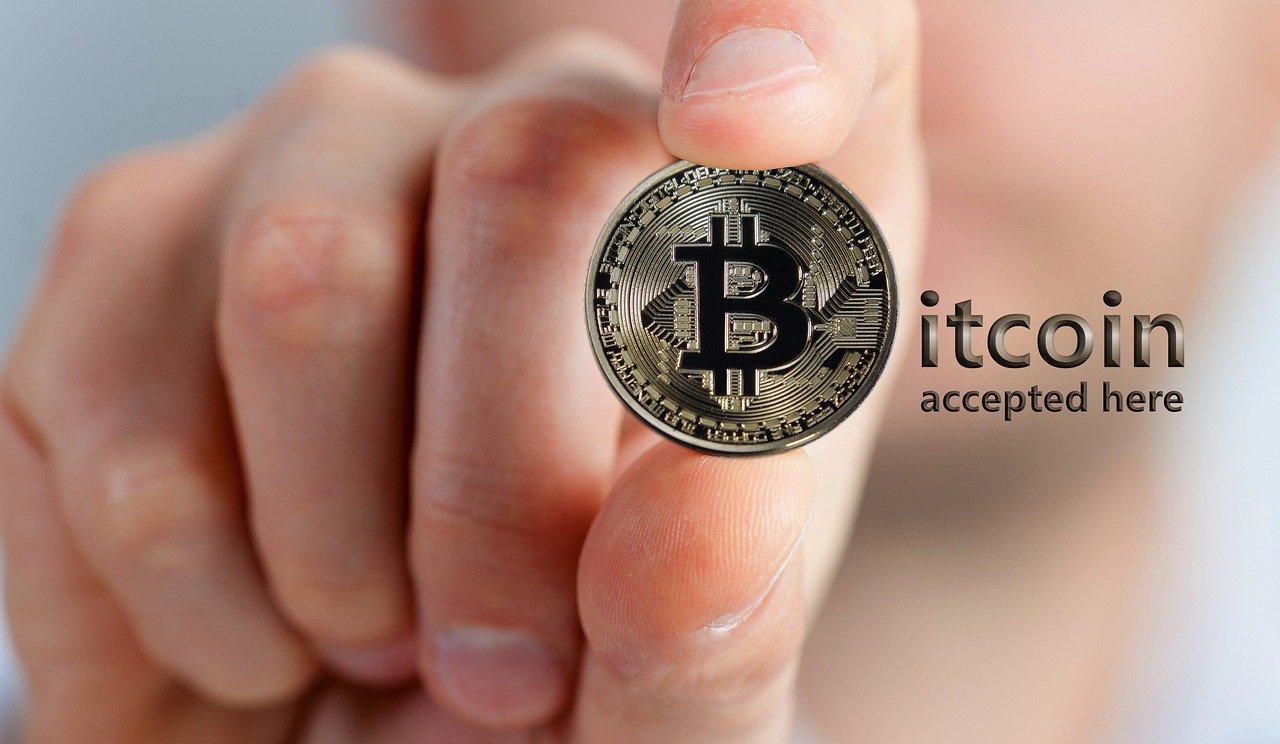

 As explained above, you have some understanding of this money, as you can imagine when you invest in Bitcoin. Like most investments, it involves risk! The question of whether or not to invest depends on the person. However, if I were to give advice, I would recommend investing in Bitcoin based on the fact that Bitcoin continues to grow.


 Use the banking sector to help. They don’t even need a credit rating, like billionaires, or a school bank account to access it. If there are accounts that a bank has opened, they can do what half of the couples do to pay their needs, keeping the bank account they would use.

 A healthy cash flow ensures that the company has enough funds to run the day to day operations and still maintain a profit. A finance department through its different department regulates the amount of money going to the account payables and accounts receivables. They regulate the policies that govern credit collection from customers to make sure the company gets it due in time. Without such kind of management, the company will soon lose track for things and start making a loss.
 Another crucial role of the finance department is the internal audit. All areas require scrutiny and controls which the internal auditors must do. Where there are challenges, the departments discusses with the concerned department for clarifications and corrections. It is this department that also is responsible for knowing when there is fraud in the company or waste and recommend the best way forward.