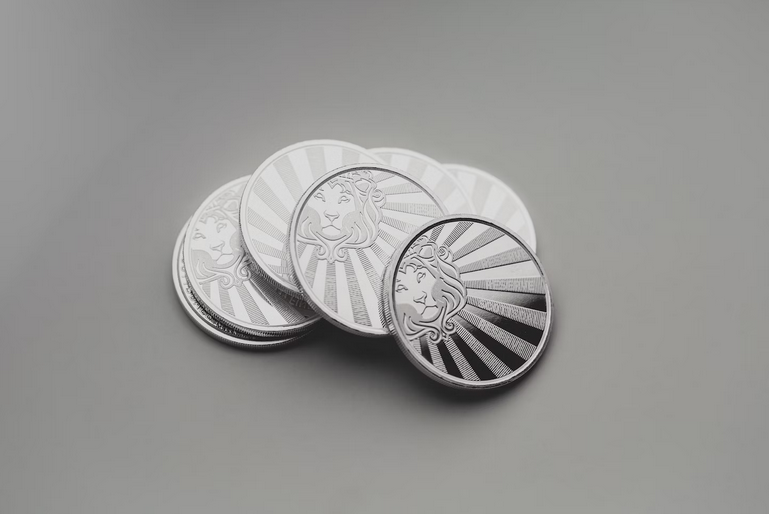
If you’re thinking to diversify your portfolio with precious metals, the question is always whether to choose silver or gold. When it comes to investing, many people automatically think of gold as the go-to option. But what if I told you that silver actually trumps gold in several key ways? That’s right – silver may just be the hidden gem of the investment world. Investing in silver can be a generic anchor to keep you steady amidst any economic crisis.
Today, you’ll be inspired as we explore reasons why silver should be your top choice for investment. From its industrial demand and affordability to its potential gains and historical performance, you’ll quickly see why silver shines brighter than gold.
Industrial Demand
When it comes to industrial demand, silver takes the lead over gold. Why? Well, silver has a wide range of practical applications in various industries. From electronics and solar panels to medical devices and water purification systems, silver is an essential component in many products we use every day. One of the key reasons for this high demand is silver’s exceptional conductivity. But that’s not all – silver also possesses antimicrobial properties, making it highly demanded in healthcare industries. Furthermore, as renewable energy sources gain traction globally, so does the need for silver in photovoltaic cells used in solar panels.
With such diverse applications across various industries, there’s no denying that silver holds immense value beyond its monetary worth. Its indispensable role ensures a steady demand that makes investing in silver a smart move with long-term potential.
Affordability and Accessibility
 Silver is much more affordable than gold, making it way more accessible to an even wider range of investors. The lower price point allows individuals with smaller budgets to join the precious metals market and diversify their portfolios. Furthermore, the affordability of silver also means that it can be easily purchased and also sold in smaller quantities. This makes it a more liquid asset compared to gold, which typically requires larger transactions due to its higher value. Investors have the flexibility to start small and gradually increase their holdings over time.
In addition, silver offers greater accessibility because it is used not only as an investment metal but also has numerous industrial applications. The accessibility factor is further enhanced by the fact that there are multiple ways for investors to gain exposure to silver. They can purchase physical bullion coins or bars, invest in exchange-traded funds (ETFs), or trade futures contracts on exchanges like COMEX or LBMA.
Volatility and Potential Gains
When it comes to investing, volatility is often seen as a negative aspect. However, in the case of silver, this volatility can actually work in your favor. Silver tends to experience larger price swings than gold, which means there is greater potential for gains. The fluctuating nature of silver prices presents opportunities for investors who are looking to make quick profits. By buying low and selling high during these price swings, investors can increase their returns significantly.
Additionally, because silver is more affordable compared to gold, even small percentage increases in its value can lead to substantial gains. This makes it an attractive option for those with limited funds or new investors looking to dip their toes into the market.
Historical Performance
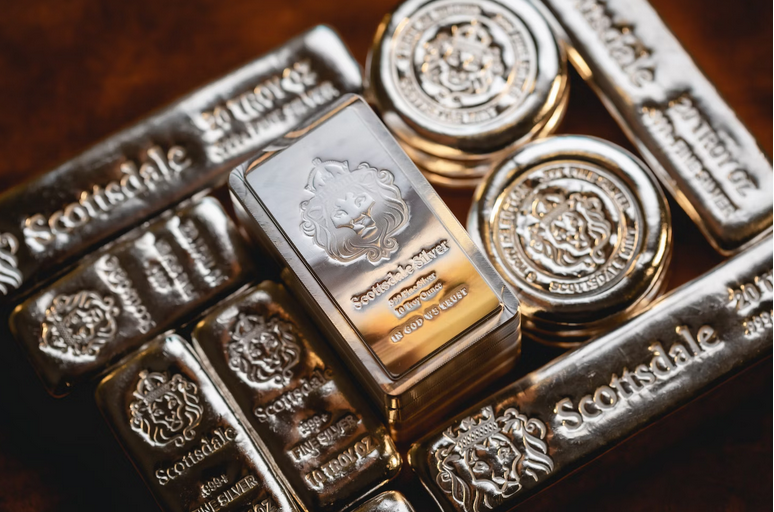
Over the years, silver has displayed a remarkable historical performance that sets it apart from gold as an investment option. Its track record speaks for itself, making it a very sexy choice for all investors seeking alternatives to diversify their portfolios. One key factor contributing to silver’s impressive historical performance is its correlation with economic trends and industrial demand. As industries grow and thrive, so does the demand for silver in various applications such as electronics, solar panels, and medical devices. This consistent demand has helped drive up the price of silver over time.
With its industrial demand driving steady consumption, accessibility for smaller investors, potential for higher gains due to volatility, and strong historical performance records – perhaps now is the time to give serious consideration to adding some shimmering silver assets to your portfolio.